GPS trackers in cars are compact devices that help track the movement of a vehicle in real time using satellite signals. They’re incredibly useful for drivers who want to monitor their car’s location and for business owners managing a fleet of vehicles. But how exactly do GPS trackers work, and which one is right for your needs? Let’s break it down.
How GPS Trackers Work
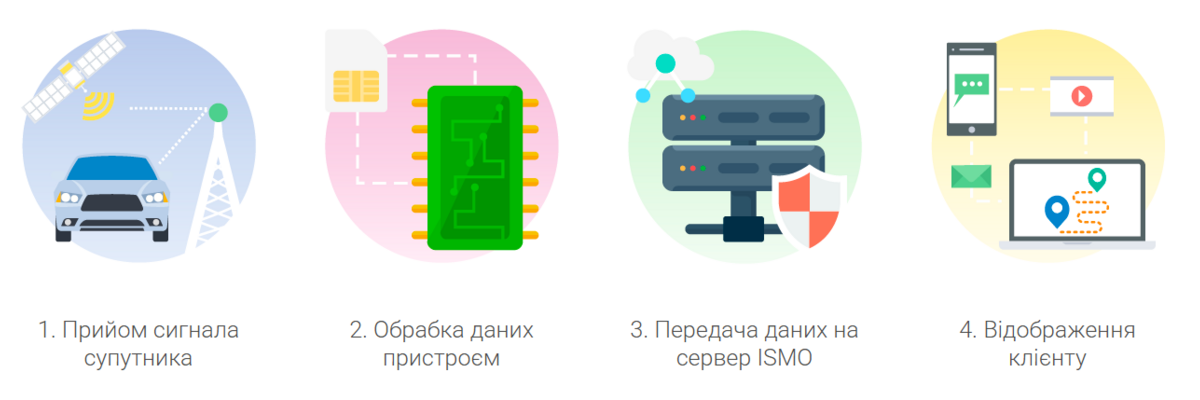
GPS trackers operate using signals from satellites in the Global Positioning System (GPS). Each satellite sends out a signal with its location and the exact time. The GPS receiver in your car picks up these signals from multiple satellites to accurately determine the car's position on Earth.
This location data is then sent to a server over a mobile network (GSM/GPRS), allowing you to monitor the vehicle remotely via a web platform or mobile app. The information typically includes:
-
Current location
-
Speed and direction of travel
-
Time and date
-
Travel history

Types of GPS Trackers for Cars
There are several types of GPS trackers available, each with specific use cases:
1. Wired GPS Trackers
Connected directly to the car’s electrical system via OBD-II or RS-232 interfaces. These trackers offer excellent reliability and precision but require professional installation and power connection.
2. Wireless GPS Trackers
These battery-powered trackers communicate via GSM/GPRS networks. They’re easy to install and move between vehicles but may have slightly lower accuracy depending on signal strength.
3. OBD GPS Trackers
Plugged into the OBD-II port under the dashboard, these trackers are easy to install and get power directly from the vehicle. They provide accurate location data and are often used in fleet monitoring.

Where Are GPS Trackers Used?
GPS vehicle trackers have a wide range of applications:
-
Real-time vehicle tracking – Know exactly where your car or fleet is at any moment.
-
Mileage and fuel monitoring – Track distance traveled and fuel use.
-
Theft protection – Get alerts if the vehicle leaves a designated area.
-
Driver logs – Automatically record trips, stops, and durations.
-
Fleet management – Monitor employee driving habits, route efficiency, and reduce operational costs.

Advantages of Using a GPS Tracker in a Car
Here’s why more drivers and companies are choosing to install GPS trackers:
-
Fuel savings – Monitor fuel usage and reduce idle time or speeding.
-
Increased security – Locate your car quickly in case of theft.
-
Fleet efficiency – Optimize routes, reduce maintenance costs, and improve task planning.
-
Driver accountability – Track work hours, speed, and routes.
-
Better customer service – Provide clients with real-time delivery updates.
Technical Implementation of Car GPS Trackers
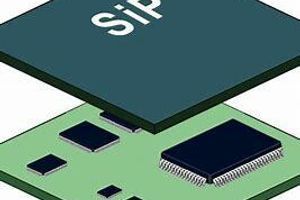
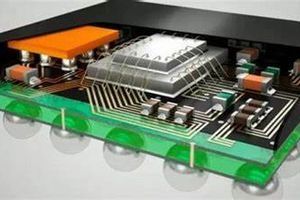
Most GPS trackers consist of:
-
GPS module – Receives and processes satellite signals.
-
GSM modem – Sends the data to a server or mobile phone.
-
User interface – Lets you view the location and history on a map.
Some devices can also be integrated with the vehicle’s systems for advanced diagnostics, remote immobilization, or engine status reports.
GPS Tracker Modes in a Vehicle
GPS trackers can be configured for various operation modes:
-
Real-Time Mode – Constant tracking and live updates.
-
Interval Mode – Sends location data every few minutes.
-
Alert Mode – Notifies you when the vehicle leaves a geo-fence or exceeds speed limits.
-
Power-Saving Mode – Goes to sleep when the vehicle is stationary to conserve battery.

How to Use a GPS Tracker in Your Car
Using a GPS tracker is simple:
-
Install the device – Plug it into the OBD-II port or connect it to the battery depending on the model.
-
Set up the app – Use a mobile or web app to monitor the car’s location.
-
Customize settings – Define geo-fences, alerts, or data upload intervals as needed.
Whether you're a private car owner or a fleet manager, a GPS tracker helps you keep control, improve safety, and optimize your driving routines. Explore our range of car GPS trackers today and choose the perfect model for your needs.