In modern electronics manufacturing, increasing attention is being paid to the miniaturization of components and the improvement of connection efficiency. One of the key technologies in this direction is Flip-Chip assembly, and a critical element of this process is Flip-Chip Fluxes. In this article, we explore what Flip-Chip fluxes are, how they work, and how they can be practically applied in the Ukrainian electronics industry.
What is Flip-Chip?
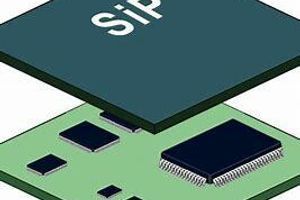
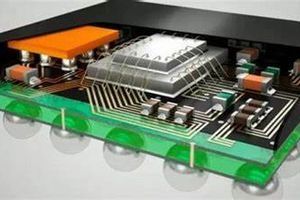
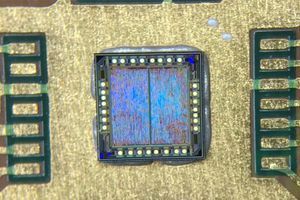
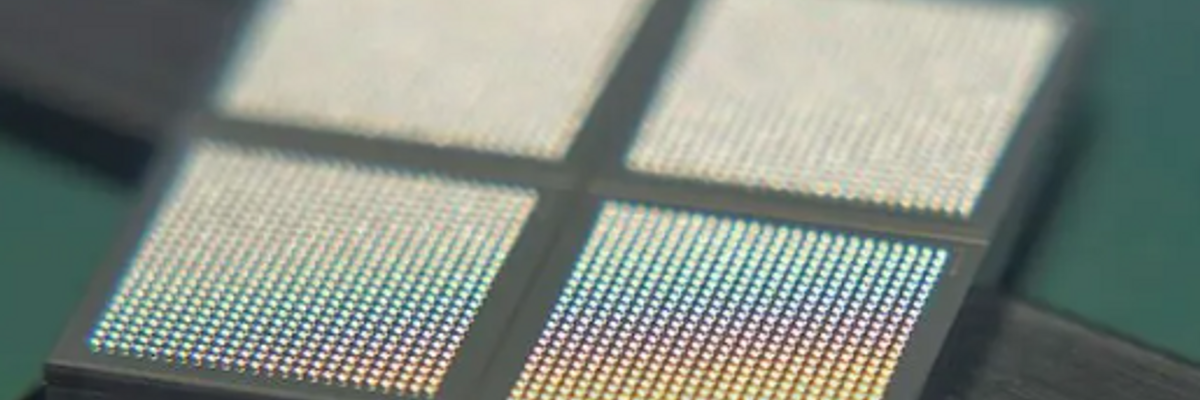
Flip-Chip is a method of mounting semiconductor dies (chips) directly onto a printed circuit board (PCB) or an interposer, where the active side of the die is “flipped” downward toward the contact pads. Unlike traditional wire bonding, Flip-Chip provides significantly shorter signal paths, better thermal conductivity, and denser packaging.
The Role of Flip-Chip Flux
Flip-Chip Flux is a specialized flux used during the process of attaching the chip to the board using solder bumps. Its functions include:
-
Cleaning surfaces from oxides to ensure high-quality soldering;
-
Promoting solder wetting to the metallized pads;
-
Minimizing residue after reflow soldering;
-
Preventing reoxidation during the soldering process.
Flip-Chip Fluxes are engineered to be compatible with high-precision processes, including under-microscope assembly, vacuum reflow, or nitrogen atmosphere soldering.
Types of Flip-Chip Flux
The most common types of fluxes used in Flip-Chip assembly include:
-
No-Clean Flux – requires no cleaning after reflow; ideal for automated production lines.
-
Tacky Flux – a sticky flux used to temporarily hold microchips in place before soldering.
-
Water-Soluble Flux – requires post-soldering cleaning but offers high activation for difficult-to-solder surfaces.
Applications in Ukraine
In the context of the Ukrainian electronics industry, Flip-Chip Flux can be applied in several areas:
✅ Contract Electronics Manufacturing
Companies providing surface mount technology (SMT) services may use this technology for complex, high-density PCBs in military equipment, telecommunications, and medical electronics.
✅ Sensor and Microsystems Production
Flip-Chip is often used in MEMS devices, optical sensors, and camera modules, which are also manufactured in Ukraine for industrial systems and the automotive sector.
✅ Microelectronics Development
Some R&D institutes, startups, and universities in Ukraine utilize Flip-Chip technologies for prototyping microchips and conducting semiconductor research.
Benefits of Implementation in Ukraine
-
Device Miniaturization – aligns with global trends in electronics;
-
Improved Electrical Performance – reduced parasitic inductance and better signal integrity;
-
SMT Process Optimization – fewer steps and enhanced automation.
Conclusion
Flip-Chip Fluxes are essential materials for achieving high-precision and compact interconnects in modern electronics. In Ukraine, with its growing contract manufacturing sector and rising demand for advanced electronic solutions, the adoption of Flip-Chip technologies and suitable fluxes opens new opportunities. This not only enhances competitiveness but also supports the development of a domestic microelectronics industry.