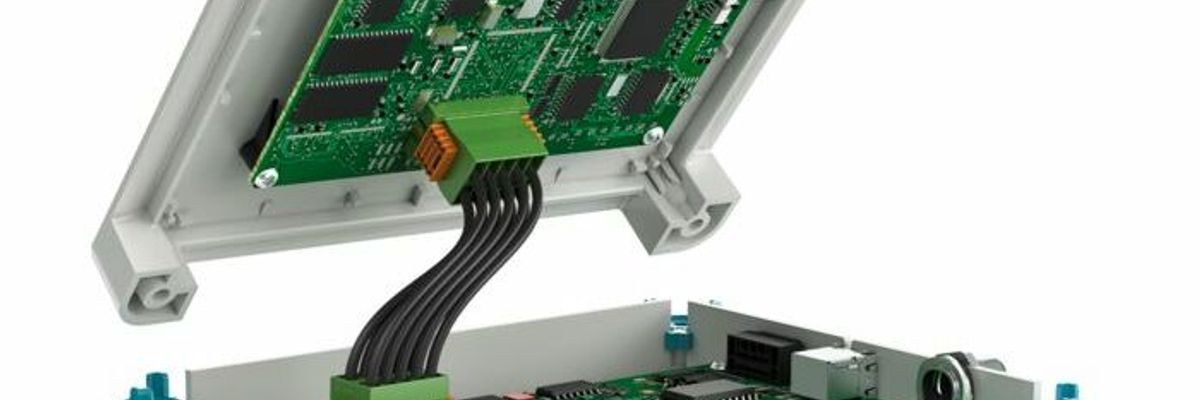
SKEDD Connectors: PCB Requirements – Photo
The SKEDD technology from Phoenix Contact introduces a new approach to connecting components to printed circuit boards. It enables reliable, pluggable connections without soldering, significantly simplifying production and increasing flexibility during device development. However, implementing SKEDD in manufacturing processes requires consideration of several technical requirements related to PCBs and assembly.
📐 What Kind of PCBs Are Suitable for SKEDD?
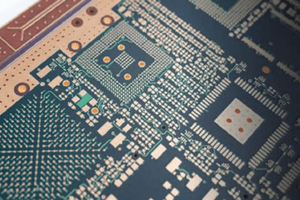
SKEDD direct connectors from Phoenix Contact are designed for standard PCBs with a thickness of 1.6 mm. The surface finish should be either chemically tin-plated or feature a Hot Air Leveling (HAL) coating.
➡️ Important: There are no additional requirements regarding the PCB material, unlike with other connector types.
🕳 Holes for Contacts and Guide Pins
During PCB manufacturing, it is necessary to provide:
-
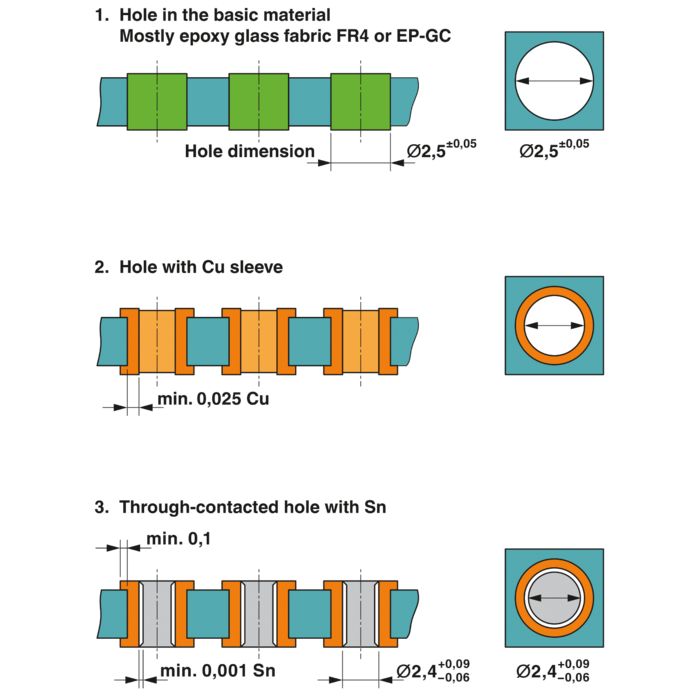
Tinned through-holes for the SKEDD contact pins.
-
Untinned holes for the guide and locking pins (side rivets).
These holes ensure mechanical fixation of the connector without the need for screws or soldering.
📊 The image below shows the exact hole diameters for SKEDD connectors SDC 2.5:
Mounting holes for SDC 2.5 contacts
🔧 Interaction with Soldering Processes
SKEDD connectors do not require soldering, so the soldering process for the PCB does not affect these connectors. However, there are a few nuances:
-
For wave soldering — the designated holes should be covered using a solder frame, Kapton tape, or Blue Mask to prevent solder from entering.
-
For SMD or THR assembly — it is possible to use solder stencils that protect the holes during soldering.
Thus, SKEDD does not complicate the general production process or alter the soldering logic for other components.
🤲 Manual Installation After Soldering
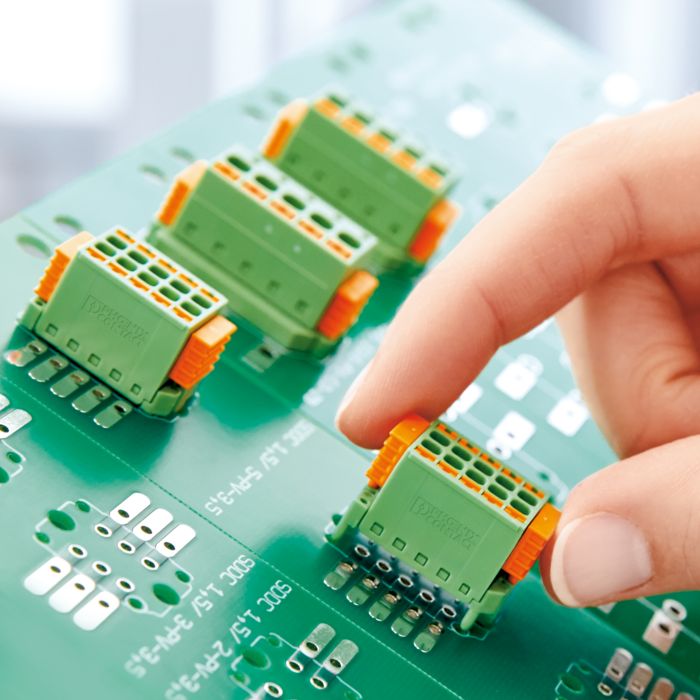
SKEDD connectors are manually installed after the soldering process is completed but before the final device assembly. The installation is performed as follows:
-
The SKEDD connector is manually inserted into the corresponding holes.
-
Side rivets fix the connector in the PCB.
-
If connectors are densely placed and access to the rivets is limited, a screwdriver can be used thanks to dedicated slots.
✅ Why Is This Important for Contract Manufacturing?
For contract manufacturing, SKEDD offers:
-
Flexibility: place contacts anywhere on the PCB.
-
Speed: reduced assembly time.
-
Cost savings: fewer operations, simpler BOM.
-
Reliability: tested for vibration and 25 mating cycles according to DIN EN 60068-2-8.
📋 Conclusion
To use SKEDD connectors in production, consider:
-
PCB thickness (1.6 mm)
-
Required holes: tinned for contacts, untinned for locks
-
Hole protection during soldering (if necessary)
-
Manual installation after soldering
🛠️ Elektronik Technology offers contract manufacturing services, including the integration of solderless SKEDD connectors. Our engineers will take into account all the specifics of your project.