Introduction to Miniaturization in Electronics
Article Contributed By: Heri Herrera, Associate Engineer
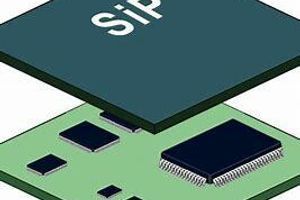
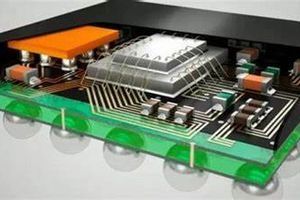
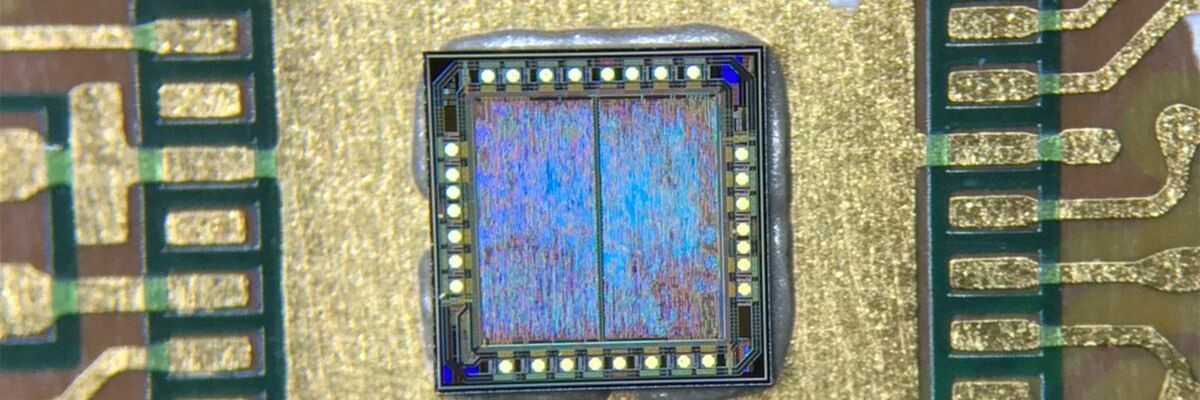
Miniaturization in electronics leads to an increase in the number of transistors within a single integrated component, providing higher performance and reducing device sizes. This process began with the advent of the first integrated circuits and continues to this day, resulting in compact and powerful devices such as smartphones, tablets, and smartwatches. Miniaturization also contributes to lower power consumption and improved reliability of electronic systems.
Gordon Moore’s Prediction and the Era of Miniaturization
In 1965, Gordon Moore, one of the founders of Intel, predicted that the number of transistors on microchips would double every two years, which became known as Moore's Law. This prediction proved remarkably accurate for decades and became the driving force behind the development of computing technology. Thanks to this law, we have high-performance processors, portable devices, and the rapid evolution of digital technologies. However, today we are approaching the physical limits of traditional silicon-based electronics, which is driving the search for new materials and technologies.