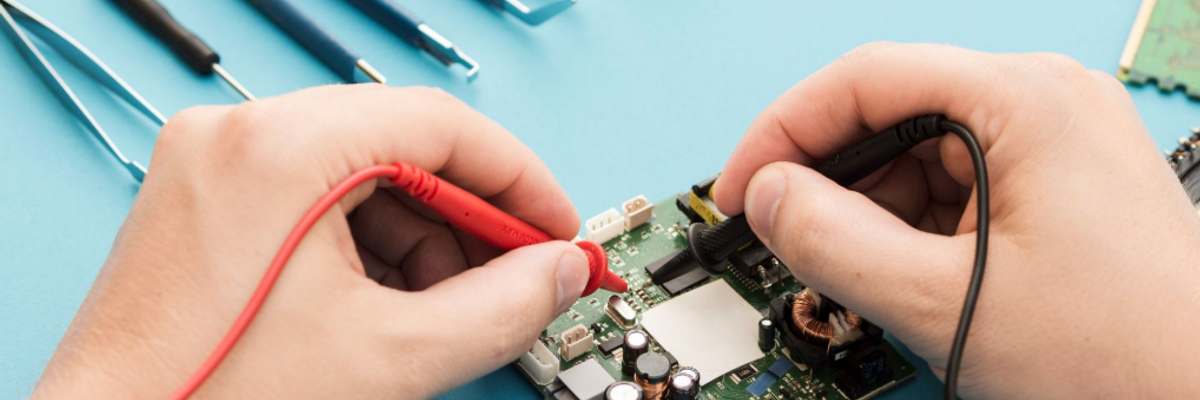
In modern contract electronics manufacturing, two key factors determine an order's success: quality and speed. Both are directly dependent on the efficiency of the testing stage for printed circuit boards with assembled components (PCBA).
Even minor failures at this stage can lead to delays, increased costs, and decreased customer satisfaction. However, optimizing the testing process can change this situation and significantly increase the efficiency of the entire production line.
Key Testing Challenges
"Quality testing isn't just about detecting defects. It's about preventing losses and ensuring process stability."
During functional testing, manufacturers most often face the following challenges:
-
Random board failures: Unpredictable malfunctions that increase diagnosis time.
-
Reduced First Pass Yield (FPY): Fewer boards pass the test on the first attempt.
-
Decreased throughput: The number of finished products is reduced due to additional checks.
-
Increased costs: Costs rise for retesting and rework.
The Path to Optimization
When mechanical inaccuracies in board positioning within test equipment cause failures, even small improvements can yield significant results.
Optimization steps:
-
Pre-centering guides: Ensure the correct starting position of the board before testing.
-
Correction of guide pins: Precisely select the diameter to eliminate shifts and unstable contact.
-
Supplier verification: Check that parts meet the requirements of the test equipment.
-
Control testing: Confirm effectiveness after implementing changes
Measurable Results
"A small change in testing mechanics can save hundreds of hours of production time."
After implementing optimization, the following results are possible:
-
+7% to FPY: More boards pass the test on the first attempt.
-
No random board failures.
-
+8% to productivity: Due to a reduction in rework.
-
Higher customer satisfaction: Stable quality and faster order fulfillment.
Conclusion
Optimizing the testing process is not just a technical improvement; it's a strategic tool for increasing production efficiency. Eliminating even minor mechanical inaccuracies yields significant gains in quality, speed, and cost-effectiveness. For contract electronics manufacturers, this is an investment that pays for itself faster than most other production modernizations.
"A successful manufacturer is distinguished from a good one by constantly optimizing every stage of the process."